
The Biochemical Architecture of Sebum Control
Effective Sebum Control is not merely about absorption or temporary mattification; it requires a fundamental intervention at the cellular level. For decades, the industry relied on abrasive clays or alcohol-based solvents to strip the skin of its natural oils. However, dermatological science now confirms that aggressive stripping triggers a compensatory feedback loop: the skin perceives dehydration and ramps up lipid synthesis to restore the barrier. LumenAxys™ breaks this cycle by introducing a metabolic reset, utilizing high-purity Zinc PCA to target the root enzymatic drivers of overproduction.
Understanding the Sebaceous Gland Physiology
To master Sebum Control, one must first understand the source. Sebaceous glands are holocrine exocrine glands attached to hair follicles. They synthesize and secrete sebum, a complex mixture of lipids including triglycerides, wax esters, squalene, and cholesterol. Under normal conditions, sebum lubricates the stratum corneum and maintains the acid mantle. However, when stimulated by internal or external triggers, the glands undergo hypertrophy, increasing in size and output volume. The objective of modern formulation is not cessation—since complete lack of sebum leads to barrier collapse—but precise regulation.
The Critical Role of 5α-Reductase
The primary driver of pathological sebum overproduction is the hormonal pathway governed by androgens. Specifically, the enzyme 5α-reductase catalyzes the conversion of testosterone into dihydrotestosterone (DHT). DHT is significantly more potent than testosterone in binding to androgen receptors on the sebocyte membrane. This binding event triggers a signaling cascade that directly stimulates lipid synthesis. Traditional topical agents often fail here because they lack the molecular specificity required to interrupt this pathway. LumenAxys™ Zinc PCA operates as a direct competitive inhibitor of this enzyme, halting the conversion process before DHT can trigger excessive sebum output.
The LumenAxys™ Dual-Action Mechanism
LumenAxys™ distinguishes itself through a bifunctional approach that addresses both the hormonal trigger and the structural integrity of the skin. This dual-action architecture ensures that Sebum Control is achieved without compromising the epidermal barrier.
Zinc Chelation and Enzymatic Suppression
The active core of the LumenAxys™ technology is the chelation of Zinc ions with Pyrrolidone Carboxylic Acid (PCA). The zinc ion (Zn2+) serves as the active center for inhibiting 5α-reductase. By binding to the enzyme's active site, it prevents testosterone from converting to DHT. Clinical studies indicate that this inhibition can reduce sebum production by up to 30-40% over a sustained period. Unlike mechanical absorbers that sit on the surface, LumenAxys™ works biochemically to shrink the glandular activity from the inside out.
L-PCA: The Hydration and Penetration Bridge
The L-PCA moiety is not merely a carrier; it is a potent humectant derived from the amino acid proline. L-PCA mimics the Natural Moisturizing Factor (NMF) found in the stratum corneum. Its hygroscopic nature allows it to bind water molecules, ensuring that while sebum production drops, the skin remains optimally hydrated. Furthermore, the L-PCA structure enhances the percutaneous permeability of the zinc complex, ensuring that the active ingredient penetrates the epidermis efficiently to reach the sebaceous ducts. This synergy prevents the "dry skin" side effect common in aggressive oil-control regimens.
Industrial Superiority: The 50% Liquid Form Factor
In the realm of advanced cosmetics formulation, the physical state of the active ingredient dictates stability and efficacy. LumenAxys™ offers a specialized 50% liquid concentrate, which provides distinct industrial advantages for formulators seeking reliable Sebum Control.
Cold-Mix Compatibility
Thermal degradation is a silent killer of active ingredients. Many enzymatic inhibitors lose potency when exposed to the high heat required for hot-process emulsions. The LumenAxys™ 50% liquid formulation is engineered specifically for cold-mix processes. This allows formulators to incorporate the active ingredient at ambient temperatures (typically below 30°C / 86°F), preserving the full enzymatic inhibitory capacity of the zinc-PCA complex. This thermal stability ensures that the final serum, toner, or primer delivers maximum potency upon application.
Enhanced Homogeneity
Unlike dry powders that can suffer from settling or require vigorous mixing to disperse evenly in aqueous solutions, the 50% liquid integrates seamlessly into water-based vehicles. This eliminates the risk of uneven dosing in the final product, guaranteeing that every drop of serum or spray delivers a consistent concentration of the active agent. For industrial production, this translates to higher batch consistency and reduced waste.
Holistic Application Strategies
LumenAxys™ technology is versatile, applicable across multiple personal care verticals requiring Sebum Control.
- Facial Oil-Control Serums: Ideal for combination with Niacinamide. While Niacinamide regulates keratinization, Zinc PCA handles the hormonal lipid synthesis. The 50% liquid allows for rapid development of lightweight, fast-absorbing serums.
- Scalp Sebum Regulation: The scalp possesses the highest density of sebaceous glands (up to 900 per cm²). LumenAxys™ liquid can be formulated into refreshing scalp mists that target seborrheic dermatitis at its source, reducing the greasy film that often exacerbates dandruff and folliculitis.
- Matte Makeup Primers: Integrating the 50% liquid into silicone-water emulsions creates a primer that actively reduces oil breakthrough throughout the day, extending the wear time of foundations without the heavy, suffocating feel of traditional oil-control bases.
Conclusion
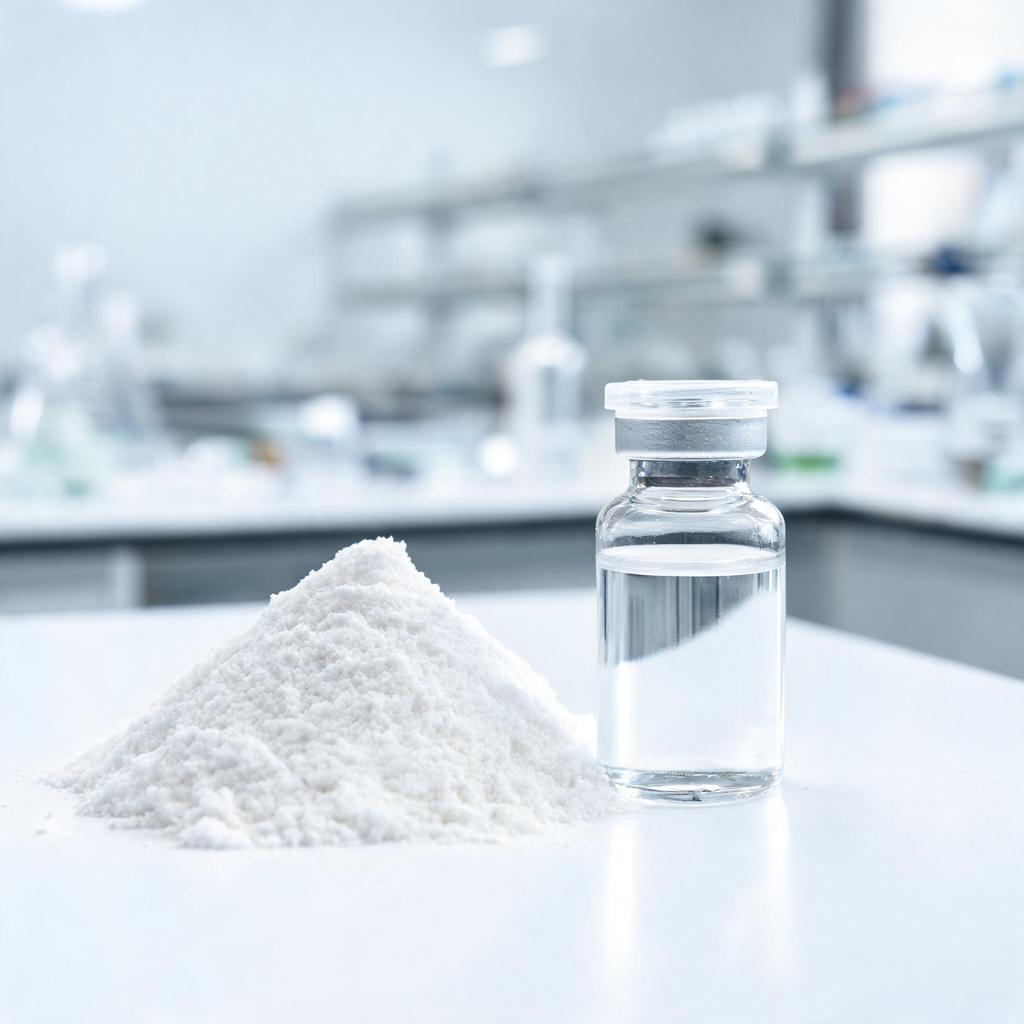
True Sebum Control demands a shift from symptomatic masking to physiological correction. By leveraging the enzymatic inhibition of 5α-reductase and the hydrating power of L-PCA, LumenAxys™ provides a scientifically robust solution. The availability of the high-purity powder and the innovative 50% cold-mix liquid empowers formulators to create next-generation skincare that balances the skin's natural ecosystem, delivering clarity without compromise.
Frequently Asked Questions
How does Zinc PCA differ from standard zinc oxide in controlling sebum?
Standard zinc oxide is primarily a physical UV filter and mild astringent; it sits on the skin surface. Zinc PCA is a water-soluble complex designed for biological activity. The L-PCA component facilitates deep epidermal penetration, allowing the zinc ion to reach the sebaceous glands and inhibit the 5α-reductase enzyme directly, whereas zinc oxide cannot achieve this intracellular target.
Can the 50% liquid be added to existing emulsions?
Yes. The 50% liquid concentrate is highly versatile and can be incorporated into water-based phases of emulsions, serums, and toners during cold-processing stages. Formulators must account for the water content in the total formula weight, but it dissolves instantly, ensuring perfect homogeneity without requiring heat activation.
Is LumenAxys™ suitable for sensitive, acne-prone skin?
Absolutely. Because LumenAxys™ focuses on internal regulation rather than external abrasion, it avoids the inflammation and barrier damage caused by harsh physical exfoliants or high-concentration salicylic acid. The L-PCA component actively hydrates, making it exceptionally well-tolerated by sensitive, reactive skin types struggling with oiliness.
How long does it take to see results with LumenAxys™ products?
Clinical observation suggests that visible reduction in surface shine occurs within 1-2 weeks of consistent use. Significant normalization of sebaceous gland activity, resulting in long-term Sebum Control, typically stabilizes between 4 to 8 weeks, aligning with the natural turnover cycle of the epidermis and the gradual downregulation of androgen receptors.