
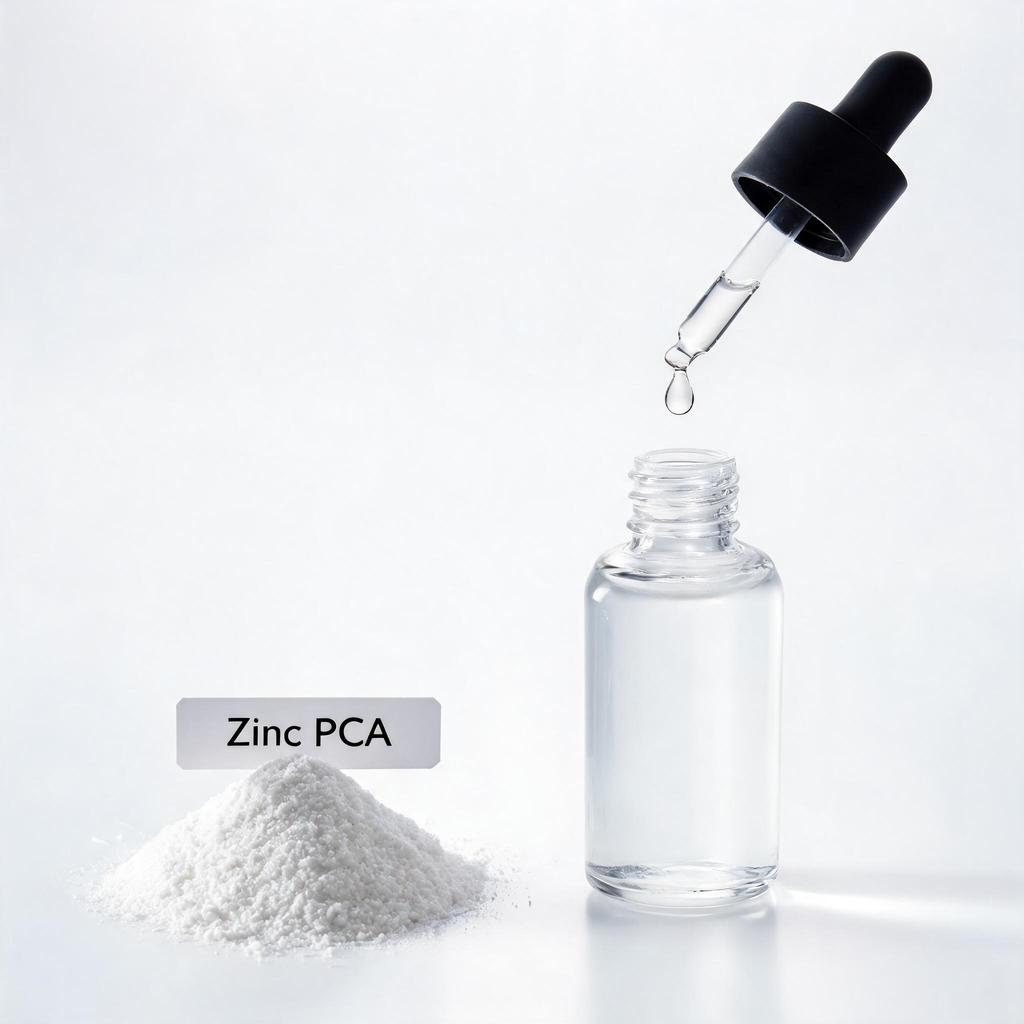
Bridging the Stratum Corneum: Zinc PCA as a Next-Generation Penetration Enhancer for Targeted Delivery
In the complex architecture of transdermal drug delivery and cosmetic formulations, the **stratum corneum** stands as the ultimate gatekeeper. For decades, formulators have relied on traditional penetration enhancers—such as terpenes, alcohols, and surfactants—to temporarily disrupt the lipid packing of the skin barrier. However, the industry is witnessing a paradigm shift toward multifunctional actives that serve dual roles. At the forefront of this innovation is Zinc PCA (Pyrrolidine Carboxylic Acid Zinc), specifically in the high-purity powder and 50% liquid forms offered by LumenAxys™.The Evolution of Penetration Enhancers
Traditionally, chemical penetration enhancers function by either solvating the active pharmaceutical ingredient (API) or disrupting the intercellular lipid matrix to increase permeability. While effective, many traditional enhancers (like dimethylsulphoxide or certain alcohols) can induce irritation or compromise the skin's protective function.
The modern demand is for "smart" enhancers—compounds that facilitate transport without causing inflammation. Zinc PCA emerges as a superior alternative. Its molecular structure, a complex of zinc ions coordinated with pyrrolidine carboxylic acid, allows it to act as a solvent-based penetration enhancer. By altering the thermodynamic activity of the active ingredients within the formulation, Zinc PCA increases the concentration gradient, driving molecules deeper into the epidermis and dermis.
Zinc PCA: A Multifunctional Delivery Vehicle
When utilized in LumenAxys™ formulations, Zinc PCA does not merely treat; it delivers. The L-PCA (L-Pyrrolidine Carboxylic Acid) moiety possesses powerful hygroscopic properties, drawing moisture into the stratum corneum. This hydration physically swells the corneocytes, creating transient aqueous pathways that significantly lower the diffusion resistance for co-applied actives like retinol or Vitamin C.
- Solvation Effect: The zinc complex creates a micro-environment where hydrophobic actives become more soluble and mobile.
- Barrier Preservation: Unlike harsh surfactants, Zinc PCA reinforces the cornified envelope while simultaneously enhancing the transport of beneficial molecules.
- Precise Modulation: It serves as a targeted vector, ensuring actives reach the sebaceous glands rather than just sitting on the surface.
Targeting the Sebaceous Unit via 5α-Reductase Inhibition
The true power of using LumenAxys™ Zinc PCA as a penetration enhancer lies in its enzymatic precision. Once the molecule penetrates the barrier, it targets the 5α-reductase enzyme within the sebaceous glands. By inhibiting this enzyme, Zinc PCA effectively downregulates sebum production at the source. This mechanism is critical for treating acne, as it reduces the substrate (sebum) required for Corynebacterium acnes proliferation.
The Industrial Advantage: Cold-Process Formulation
To maximize the efficacy of Zinc PCA as an enhancer, the integrity of the crystal structure must be preserved. LumenAxys™ utilizes a cold-process methodology for their 50% liquid concentrate. Heating can alter the coordination geometry between the zinc ion and the organic ligand, potentially reducing its ability to solvate and transport other actives. By avoiding thermal degradation, LumenAxys™ ensures that the penetration enhancement properties remain at peak potency.
Formulation Strategies with LumenAxys™ Zinc PCA
For cosmetic chemists looking to leverage Zinc PCA as a penetration enhancer, the key is synergy. When combined with other actives, the Zinc PCA acts as a "Trojan horse." It carries the payload through the lipid bilayer.
- Oil-Control Serums: Combine with Niacinamide to create a synergistic effect on sebum regulation and barrier repair.
- Hair Loss Treatments: In scalp formulations, the penetration capability ensures the zinc reaches the hair follicle to inhibit 5α-reductase, addressing the hormonal roots of androgenetic alopecia.
- Anti-Aging: By facilitating the transport of collagen-boosting agents, Zinc PCA enhances the overall bioavailability of anti-aging serums.
Frequently Asked Questions (FAQ)
What is the role of penetration enhancers in cosmetics?
Penetration enhancers are chemical compounds used to facilitate the movement of active ingredients through the skin's outermost layer, the stratum corneum, improving the bioavailability and efficacy of the formulation.
How does Zinc PCA act as a penetration enhancer?
Zinc PCA acts as a penetration enhancer through a combination of hydration (via the L-PCA moiety swelling the skin layers) and solvation (creating a favorable environment for active transport), allowing actives to bypass the lipid barrier more efficiently.
Why is LumenAxys™'s cold-process method important?
Heat can degrade the structural integrity of the Zinc PCA complex. The cold-process method preserves the precise coordination between the zinc ion and the organic acid, ensuring the molecule retains its full capacity to enhance penetration and inhibit 5α-reductase.
Can Zinc PCA be used alongside other actives?
Yes. Zinc PCA is highly compatible with ingredients like Retinol, Vitamin C, and Niacinamide, acting as a delivery vehicle that boosts the efficacy of these sensitive actives by aiding their transport through the skin.