
The Biophysical Challenge of Percutaneous Absorption
In the realm of advanced dermatology, percutaneous absorption is not merely about getting a molecule through the skin; it is a complex dance of thermodynamics and kinetics. For effective treatment of conditions like seborrhea or acne, active ingredients must traverse the stratum corneum—the skin's formidable hydrophobic barrier—to reach the viable epidermis where enzymes like 5α-reductase reside.
Research indicates that percutaneous absorption follows specific kinetic pathways. As noted in biophysical models, the process involves a series of first-order rate constants:
- k1: The diffusion rate of the penetrant through the stratum corneum.
- k2: The transport rate across viable epidermal tissue to the cutaneous blood vessels.
- k3: A critical parameter representing the partitioning delay at the stratum corneum-viable tissue interface.
Many topical agents fail because they get trapped in the outer layers (high k3) or diffuse too slowly (low k1). This phenomenon, often referred to as "flip-flop" kinetics, means the absorption half-time is significantly longer than the elimination half-time, leading to suboptimal therapeutic levels at the target site.
Optimizing Partition Coefficients with LumenAxys™ Zinc PCA
LumenAxys™ Zinc PCA (Zinc Pyrrolidine Carboxylic Acid) is engineered to optimize these kinetic parameters. The molecule possesses a dual nature: the Zinc ion (Zn2+) provides antimicrobial and enzymatic modulation properties, while the L-PCA moiety acts as a powerful humectant and penetration enhancer.
The secret lies in the octanol-water partition coefficient (Kow). For optimal percutaneous absorption, a molecule needs a balanced lipophilicity. If a compound is too hydrophilic, it cannot pass the lipid-rich stratum corneum. If it is too lipophilic, it gets stuck there.
LumenAxys™ Zinc PCA hits the "Goldilocks" zone. The L-PCA component helps solubilize the Zinc, facilitating the transition across the k3 boundary. This ensures that the active ingredient does not just sit on the surface but actively partitions into the viable tissue where it can exert its biological effects.
Mechanism of Action: Targeting 5α-Reductase
Once percutaneous absorption has successfully delivered the Zinc ion to the sebaceous glands, the therapeutic magic begins. The primary culprit behind excessive sebum production and subsequent acne formation is the enzyme 5α-reductase.
This enzyme converts testosterone into the more potent androgen, dihydrotestosterone (DHT). Elevated DHT levels stimulate sebocytes to produce excess oil. LumenAxys™ Zinc PCA acts as a targeted inhibitor of this enzymatic pathway.
The Chemistry of Enzyme Modulation
The interaction is precise. The Zinc cation (Zn2+) binds to the active site of the 5α-reductase enzyme. By occupying this binding pocket, it physically blocks the substrate (testosterone) from undergoing reduction. Consequently:
- DHT Production Drops: With the enzyme inhibited, the conversion to DHT is halted.
- Sebum Secretion Normalizes: Without the DHT stimulus, the sebaceous glands reduce their oil output, resulting in a matte, non-greasy complexion.
- Inflammation Subsides: By reducing the microbial food source (sebum), the proliferation of Cutibacterium acnes is curbed.
This targeted enzymatic modulation is why LumenAxys™ outperforms broad-spectrum topical treatments. It addresses the root biochemical cause rather than just treating surface symptoms.
Powder vs. 50% Liquid: Formulation Dynamics
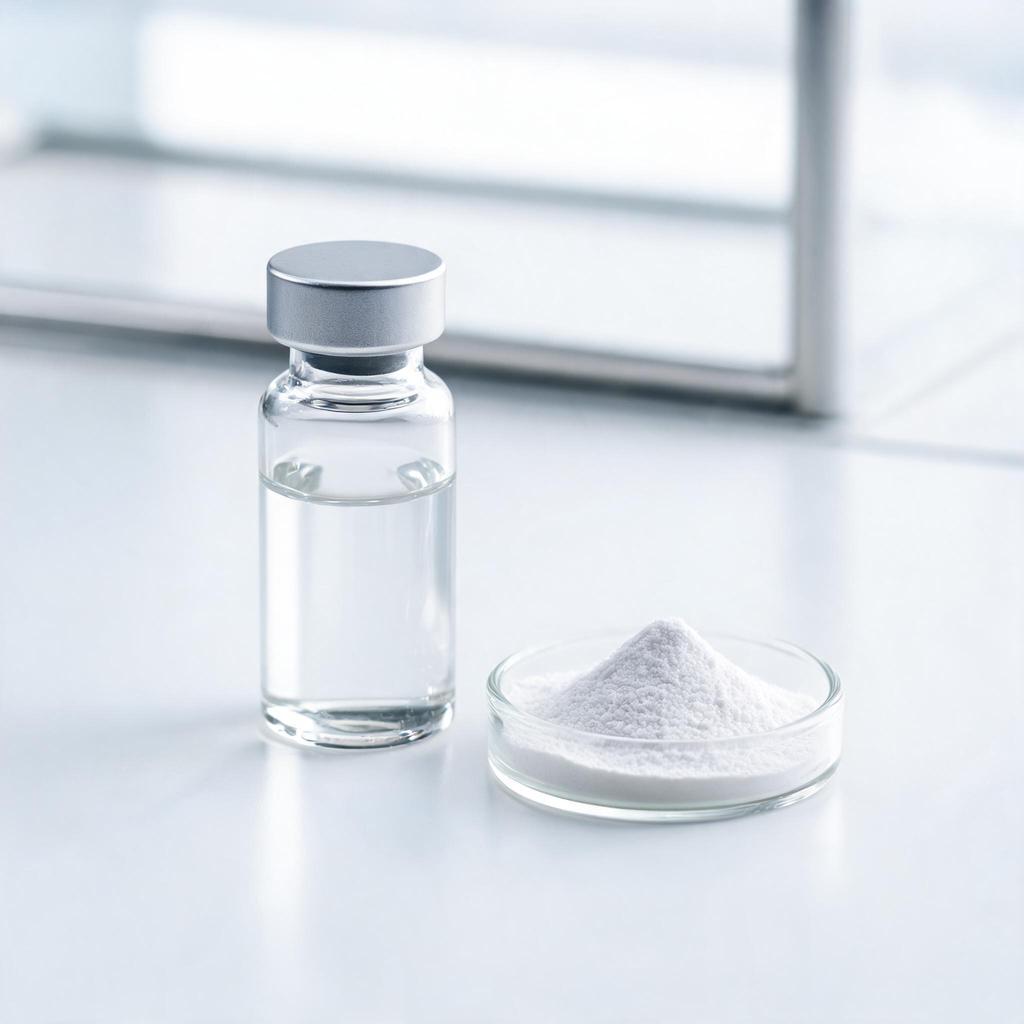
To maximize percutaneous absorption efficiency, the physical state of the active matters. LumenAxys™ offers two distinct forms designed for specific delivery vehicles:
1. Ultra-Fine Powder Form
The powder form is ideal for anhydrous formulations like dry shampoos, foot powders, or oil-control primers. The micro-fine particle size increases the surface area available for hydration upon contact with skin moisture, facilitating rapid dissolution and subsequent absorption into the stratum corneum.
2. 50% Liquid Concentrate
The liquid form is the result of a proprietary cold-process extraction. This ensures the stability of the L-PCA structure, preventing thermal degradation. In serums or water-based moisturizers, this liquid integrates seamlessly, maintaining the optimal partition coefficient required for efficient percutaneous absorption without requiring aggressive penetration enhancers like alcohols.
Clinical Implications for Compromised Skin
It is crucial to note that percutaneous absorption dynamics change when the skin barrier is compromised. As highlighted in studies on diseased skin (e.g., psoriasis, atopic dermatitis), damage to the stratum corneum can drastically increase the permeability to hydrophilic compounds.
For users with acne-prone or irritated skin, the barrier is often micro-compromised by inflammation. LumenAxys™ Zinc PCA is uniquely suited for this scenario. Its gentle, non-abrasive nature ensures that while it takes advantage of slightly increased permeability to deliver deeper, it does not induce the secondary irritation that harsher chemicals might cause. The L-PCA component simultaneously supports barrier repair, reinforcing the cornified envelope.
Synergistic Benefits of Zinc PCA
- Antimicrobial Action: Zinc (Zn2+) disrupts bacterial cell membranes and inhibits vital enzymes in Cutibacterium species.
- Anti-Inflammatory: Modulates the release of pro-inflammatory cytokines.
- Moisture Retention: L-PCA binds water molecules (H2O) effectively, maintaining hydration even during the absorption process.
Conclusion
Mastering percutaneous absorption is the key to unlocking the full potential of topical actives. LumenAxys™ Zinc PCA represents the pinnacle of this science. By leveraging optimized partition coefficients and targeting the specific enzymatic driver of sebum overproduction, it offers a precise, effective solution for oily, acne-prone, and compromised skin types. Whether in powder or 50% liquid form, LumenAxys™ ensures that the active ingredient crosses the barrier efficiently to deliver clinical results.
Frequently Asked Questions (FAQ)
How does LumenAxys™ Zinc PCA improve percutaneous absorption?
LumenAxys™ Zinc PCA improves absorption by utilizing the hygroscopic nature of L-PCA to hydrate the stratum corneum, temporarily increasing the diffusion coefficient (k1) and optimizing the partition coefficient (K) for faster transport into viable tissue.
Is Zinc PCA safe for sensitive or damaged skin?
Yes. Unlike aggressive exfoliants or high-concentration acids, Zinc PCA is inherently gentle. In fact, research shows that while damaged skin absorbs chemicals faster, Zinc PCA also delivers barrier-repairing benefits, making it ideal for inflamed, acne-prone skin.
Why choose the 50% liquid over the powder?
The choice depends on the final product formulation. The 50% liquid is best for water-based serums and creams due to its ease of dispersion. The powder is preferred for anhydrous products like dry shampoos, loose powders, or solid balms where water-free integration is required.
Does Zinc PCA really inhibit 5α-reductase?
Yes. Extensive dermatological studies confirm that topical Zinc compounds can inhibit the activity of 5α-reductase, thereby reducing the conversion of testosterone to dihydrotestosterone (DHT), directly addressing the hormonal trigger of sebum overproduction.