
Reconceptualizing the Pathophysiology of Acne Vulgaris
Acne Treatment Molecular Strategy requires moving beyond surface-level interventions to address the underlying biochemical cascades. Current dermatological consensus highlights that acne is driven by a complex interplay of hyperactive sebaceous glands, microbial dysbiosis, and inflammatory signaling pathways. Recent research indicates that the overproliferation of Cutibacterium acnes (formerly Propionibacterium acnes) is not merely a consequence but a primary driver of inflammation. Furthermore, the conversion of testosterone into the potent androgen dihydrotestosterone (DHT) via the enzyme 5α-reductase is the critical molecular trigger for sebum overproduction.
The Biochemical Targets
- Lipid Synthesis Pathways: The AMPK–SREBP-1 pathway regulates lipid synthesis in sebocytes. Disruption here leads to the oily skin characteristic of acne-prone individuals.
- Inflammatory Cascades: Activation of the NF-κB pathway drives the release of pro-inflammatory cytokines (IL-1β, IL-6, TNFα), leading to the redness and swelling associated with cystic acne.
- Microbial Dysbiosis: An imbalance in the cutaneous microbiome allows pathogenic strains of C. acnes to dominate, exacerbating follicular blockage and inflammation.
The LumenAxys™ Zinc PCA Intervention Mechanism
At the heart of this molecular strategy is LumenAxys™ Zinc PCA. Unlike traditional therapies that rely on harsh keratolytics like high-concentration salicylic acid or systemic agents like isotretinoin—which can disrupt skin homeostasis or cause severe side effects—Zinc PCA offers a precise, multi-targeted approach.
Precision 5α-Reductase Inhibition
The zinc ion (Zn2+) acts as a direct competitive inhibitor of 5α-reductase. By binding to the enzyme's active site, it blocks the conversion of testosterone to DHT. This directly reduces the stimulation of sebaceous glands, leading to a significant decrease in sebum excretion rates (SER). Clinical data suggests that topically applied Zinc PCA can lower casual sebum levels (CSL) in both Asian and Caucasian populations within weeks of consistent use.
L-PCA: Hydration and Permeation
The organic moiety, L-Pyrrolidone Carboxylic Acid (L-PCA), is a Natural Moisturizing Factor (NMF) naturally present in the stratum corneum. It serves two critical functions in an acne treatment strategy:
- Barrier Reconstruction: L-PCA attracts and binds water molecules, preventing the transepidermal water loss (TEWL) often exacerbated by harsh acne treatments.
- Enhanced Penetration: By maintaining optimal hydration in the cornified layer, L-PCA facilitates the permeation of active ingredients deeper into the pilosebaceous unit.
Modulating the Cutaneous Microbiome Without Resistance
One of the most significant advancements in modern dermatology is the shift towards microbiome preservation. Traditional antibiotics, while effective at killing C. acnes, frequently lead to dysbiosis and the development of antibiotic resistance.
The Antimicrobial Advantage of Zinc
LumenAxys™ Zinc PCA provides broad-spectrum antimicrobial activity against acne-associated bacteria, including Ralstonia and Staphylococcus. Crucially, its mechanism involves inhibiting essential bacterial enzymes (similar to the thioredoxin reductase inhibition seen in azelaic acid) without triggering resistance mechanisms. It creates an environment that favors the growth of beneficial commensals like Lactobacillus, effectively restoring the microbial alpha-diversity of the skin.
Industrial Formulation Strategy: The Cold-Process Advantage
Implementing this molecular strategy requires precise formulation techniques. LumenAxys™ utilizes a **cold-process manufacturing approach**.
Preserving Bioavailability
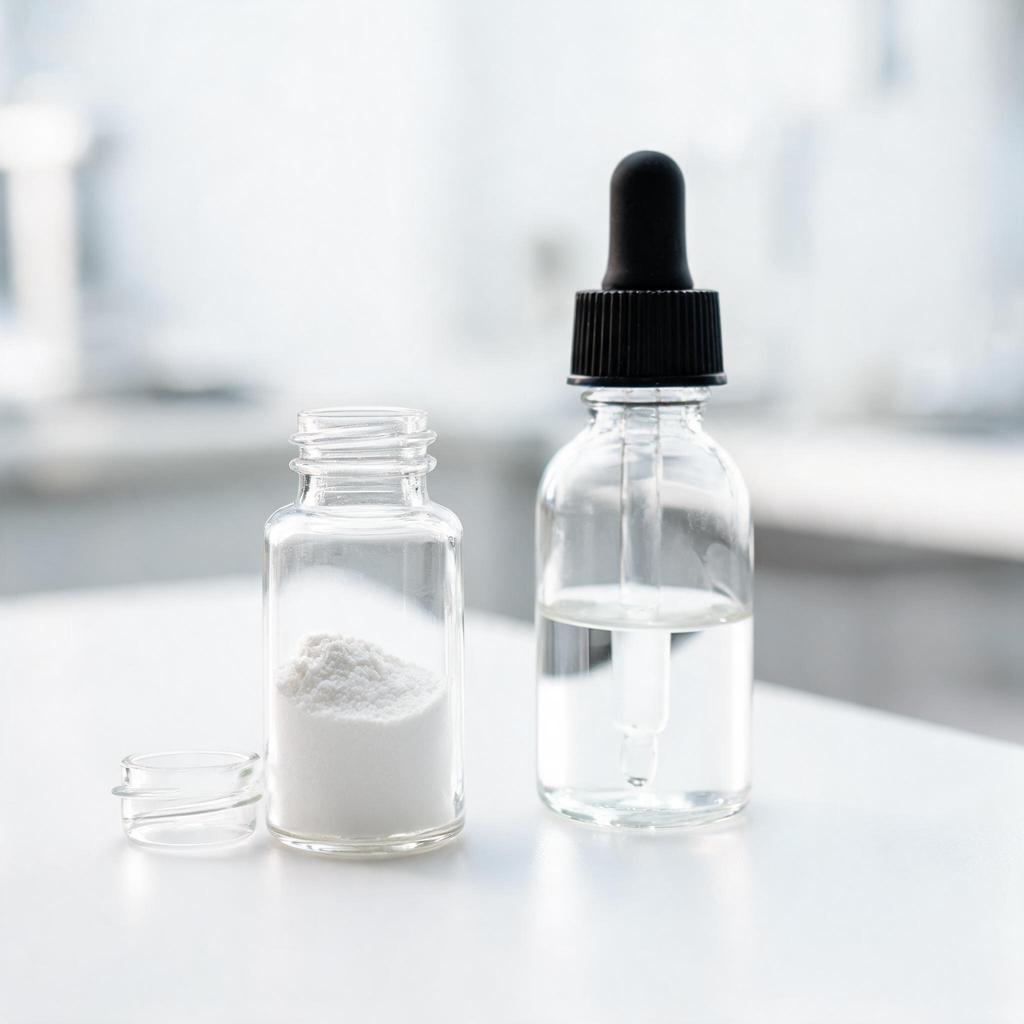
Traditional heating during cosmetic manufacturing can degrade heat-sensitive active ingredients. LumenAxys™ offers two highly versatile formats:
- High-Purity Powder: Provides maximum concentration for custom formulations, allowing formulators to control the exact dosage of Zn2+.
- 50% Liquid Concentrate: Offers superior miscibility in water-based serums and lotions, ensuring rapid integration into emulsions without destabilizing the final product.
This cold-processing ensures that the chelated zinc remains stable and fully bioavailable, maximizing the inhibition of 5α-reductase upon topical application.
Clinical Integration and Maintenance Therapy
A comprehensive Acne Treatment Molecular Strategy involves combining Zinc PCA with complementary actives. For instance, pairing LumenAxys™ Zinc PCA with low-dose salicylic acid or niacinamide creates a synergistic effect:
- Niacinamide + Zinc PCA: Niacinamide boosts intracellular ATP and ceramide synthesis, while Zinc PCA handles sebum reduction. This combination is ideal for maintaining clear skin after initial breakout resolution.
- Azelaic Acid + Zinc PCA: Azelaic acid addresses hyperkeratinization, while Zinc PCA manages the androgen-driven sebum component.
Frequently Asked Questions (FAQ)
Q: How does LumenAxys™ Zinc PCA differ from oral isotretinoin?
Isotretinoin systemically reduces sebocyte viability but carries risks like photosensitivity and teratogenicity. LumenAxys™ Zinc PCA acts topically to specifically inhibit 5α-reductase without systemic absorption, offering a safer, sustainable approach to sebum homeostasis.
Q: Can Zinc PCA help with post-acne hyperpigmentation?
Yes. By controlling inflammation at the NF-κB signaling level, Zinc PCA indirectly prevents the melanogenic stimuli that lead to post-inflammatory hyperpigmentation (PIH).
Q: Is the 50% liquid suitable for sensitive, acne-prone skin?
Absolutely. The cold-process formulation ensures minimal impurities, and the inclusion of L-PCA provides immediate soothing hydration, making it ideal for skin compromised by harsh chemical peels or over-exfoliation.