
The Architectural Integrity of the Cornified Layer Structure
The cornified layer structure, scientifically known as the stratum corneum, serves as the body's ultimate defensive fortress. Comprising approximately 15 to 20 layers of flattened, enucleated cells called corneocytes, this architectural marvel operates on a precise biological blueprint. These corneocytes act as the "bricks," while the lipid-rich extracellular matrix serves as the "mortar," creating a semi-permeable barrier that prevents desiccation and excludes environmental toxins.
In dermatological formulations, maintaining the integrity of this structure is paramount. Disruptions in the cornified layer can lead to compromised barrier function, resulting in transepidermal water loss (TEWL) and increased susceptibility to inflammatory cascades. This is where advanced active ingredients, specifically LumenAxys™ Zinc PCA, demonstrate their transformative potential.
Zinc PCA: The Enzymatic Key to Structural Homeostasis
The efficacy of Zinc PCA in refining the cornified layer structure lies in its dual-action biochemistry. The zinc ion (Zn2+) acts as a potent inhibitor of the 5α-reductase enzyme. By suppressing this enzyme, Zinc PCA significantly reduces the conversion of testosterone into dihydrotestosterone (DHT).
- Sebum Modulation: DHT is a primary driver of sebaceous gland hyperactivity. By inhibiting 5α-reductase, LumenAxys™ reduces excess sebum production, preventing the lipid overload that can clog pores and disrupt the stratum corneum's delicate equilibrium.
- Anti-Inflammatory Action: Zinc exhibits intrinsic anti-inflammatory properties, calming the cytokine-mediated initiation of inflammation often triggered by barrier compromise.
Optimizing the Lipid Matrix and Corneocyte Adhesion
Healthy cornified layer structure relies heavily on the integrity of the cornified envelope and the stability of corneodesmosomes (cellular bridges). When the skin is subjected to oxidative stress or lipid imbalance, these structural bonds weaken, leading to premature desquamation (flaking) or hyperkeratosis.
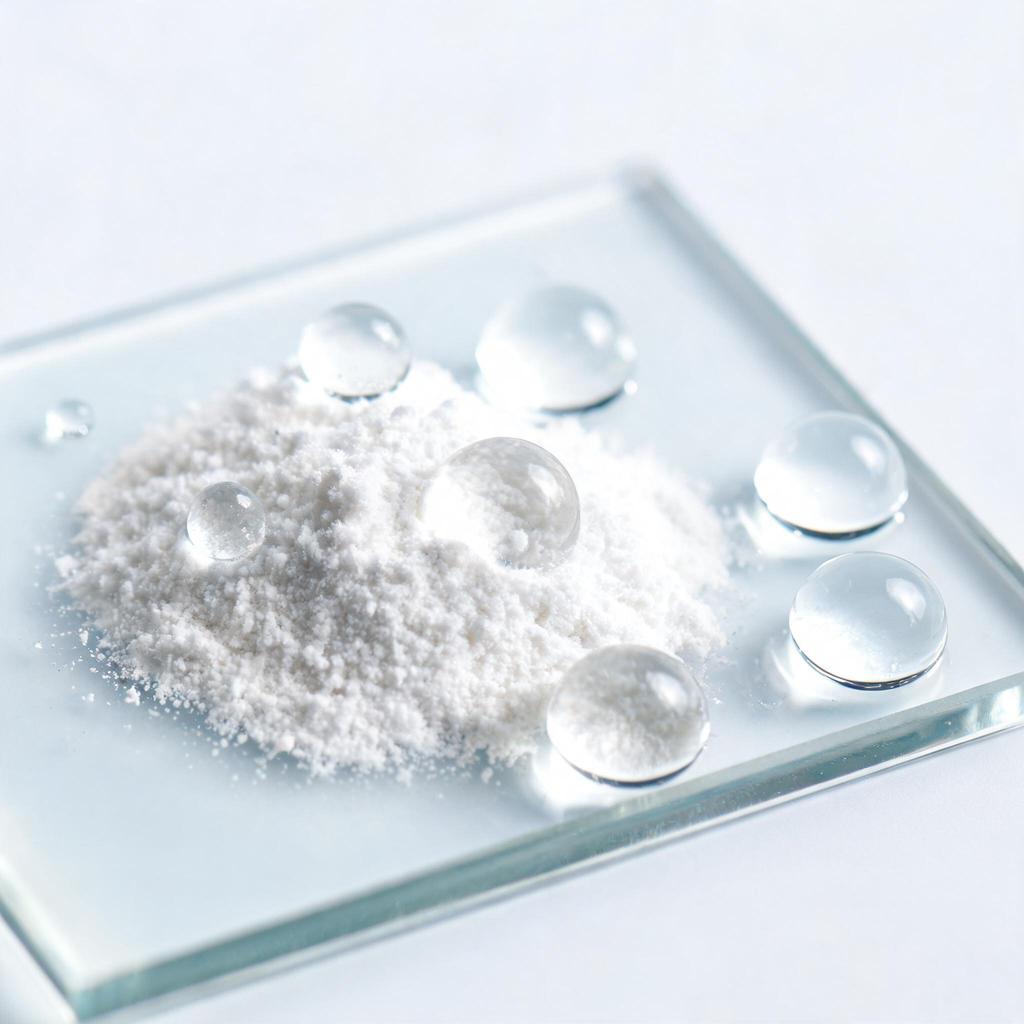
LumenAxys™ Zinc PCA supports this matrix through the L-PCA (pyrrolidine carboxylic acid) component. L-PCA acts as a potent humectant, drawing moisture into the corneocytes. This hydration is critical for maintaining the flexibility of the cornified envelope, ensuring that the "bricks" remain pliable rather than brittle. Furthermore, the high-purity powder form allows for precise dosing in formulations targeting the outermost epidermal layers.
Cold-Process Precision: The Advantage of 50% Liquid Formulations
For formulators aiming to penetrate the dense stratum compactum, delivery systems are crucial. The 50% Zinc PCA liquid offered by LumenAxys™ is engineered using advanced cold-process manufacturing techniques. This method preserves the molecular integrity of the active ingredient, avoiding thermal degradation that can occur in traditional heating processes.
This high-concentration liquid enables superior permeation through the lipid matrix. By integrating LumenAxys™ into topical serums or moisturizers, brands can deliver targeted enzymatic modulation directly to the cornified layer structure, ensuring that the skin's natural barrier function is restored and maintained.
Clinical Significance in Modern Skincare
The application of Zinc PCA extends beyond simple oil control. It represents a strategic approach to barrier resilience. By addressing the root cause of sebaceous overproduction and supporting the hydration of the corneocytes, this ingredient directly influences the health of the stratum corneum. For consumers dealing with acne-prone or dehydrated skin, maintaining the structural coherence of the cornified layer is the first step toward long-term dermal health.
Frequently Asked Questions
How does Zinc PCA improve the cornified layer structure?
Zinc PCA improves the cornified layer structure by inhibiting 5α-reductase to reduce sebum overload and utilizing L-PCA to hydrate corneocytes, strengthening the lipid matrix and cellular adhesion within the stratum corneum.
What is the difference between the powder and 50% liquid forms?
The powder form offers maximum purity and stability for custom blending, while the 50% liquid is optimized for enhanced permeation into the stratum compactum, thanks to LumenAxys™'s advanced cold-process manufacturing which preserves active integrity.
Can Zinc PCA help with skin barrier repair?
Yes. By reducing inflammation and regulating lipid production, Zinc PCA minimizes the stress placed on the cornified layer, allowing the brick-and-mortar structure to heal and function effectively against external insults.