
The Paradigm Shift: Why Cold-Process Cosmetic Formulations Are Dominating Sustainable Beauty
In the rapidly evolving landscape of dermatological science and cosmetic engineering, the industry is witnessing a fundamental shift in manufacturing methodologies. For decades, the standard protocol for creating stable emulsions—creams, lotions, and serums—relied heavily on hot process emulsification. This traditional method involved heating oil and water phases to temperatures often exceeding 70°C (158°F) to melt waxes and facilitate emulsification.
However, the emergence of Cold-Process Cosmetic Formulations represents more than just a change in temperature; it is a strategic move toward sustainability, energy efficiency, and the preservation of bioactive integrity. Recent data indicates that cold processing can generate up to 44 times less energy consumption compared to hot processing. For brands prioritizing carbon footprint reduction, this metric is transformative.
But the true power of cold process lies in its ability to protect heat-sensitive actives. When formulating with potent botanical extracts, hydrosols, or enzyme-based actives, heat is the enemy. Thermal exposure can denature proteins, oxidize lipids, and render expensive cosmeceuticals inactive. By eliminating the heating phase, formulators can maintain the peak bioavailability of every ingredient. This is where LumenAxys™ Zinc PCA becomes the cornerstone of next-generation formulations.
The Biochemical Synergy: LumenAxys™ Zinc PCA in Low-Temperature Matrices
Integrating LumenAxys™ Zinc PCA into Cold-Process Cosmetic Formulations offers a unique biochemical advantage. Zinc PCA is not merely a functional additive; it is a precision tool for sebum regulation and barrier repair that thrives in cold-mixed environments.
Precision 5α-Reductase Inhibition
The primary mechanism of LumenAxys™ Zinc PCA involves the targeted inhibition of the 5α-reductase enzyme. This enzyme is responsible for converting testosterone into dihydrotestosterone (DHT), a potent androgen that stimulates sebaceous gland hyperactivity. In hot processes, high temperatures can potentially destabilize the zinc complex or degrade the pyrrolidone carboxylic acid moiety. In a cold process, the molecular integrity of the Zinc PCA remains pristine, ensuring maximum binding affinity to the enzyme's active site. This results in superior control over oil production, acne pathogenesis, and hormonal flare-ups without the risk of thermal deactivation.
The Hydrating Power of L-PCA
Beyond enzymatic control, the L-PCA (Pyrrolidone Carboxylic Acid) component acts as a potent humectant. In Cold-Process Cosmetic Formulations, L-PCA functions similarly to hyaluronic acid but with a significantly smaller molecular weight. This allows for rapid hydration of the stratum corneum. Furthermore, L-PCA enhances the percutaneous absorption of co-formulated actives, acting as a permeation enhancer. Because cold process preserves the hydrogen-bonding network of water and hydrophilic molecules, the hydration matrix remains robust, delivering a non-greasy, silky sensorial experience that appeals to oily and combination skin types.
Industrial Advantages: The 50% Liquid Formulation Protocol
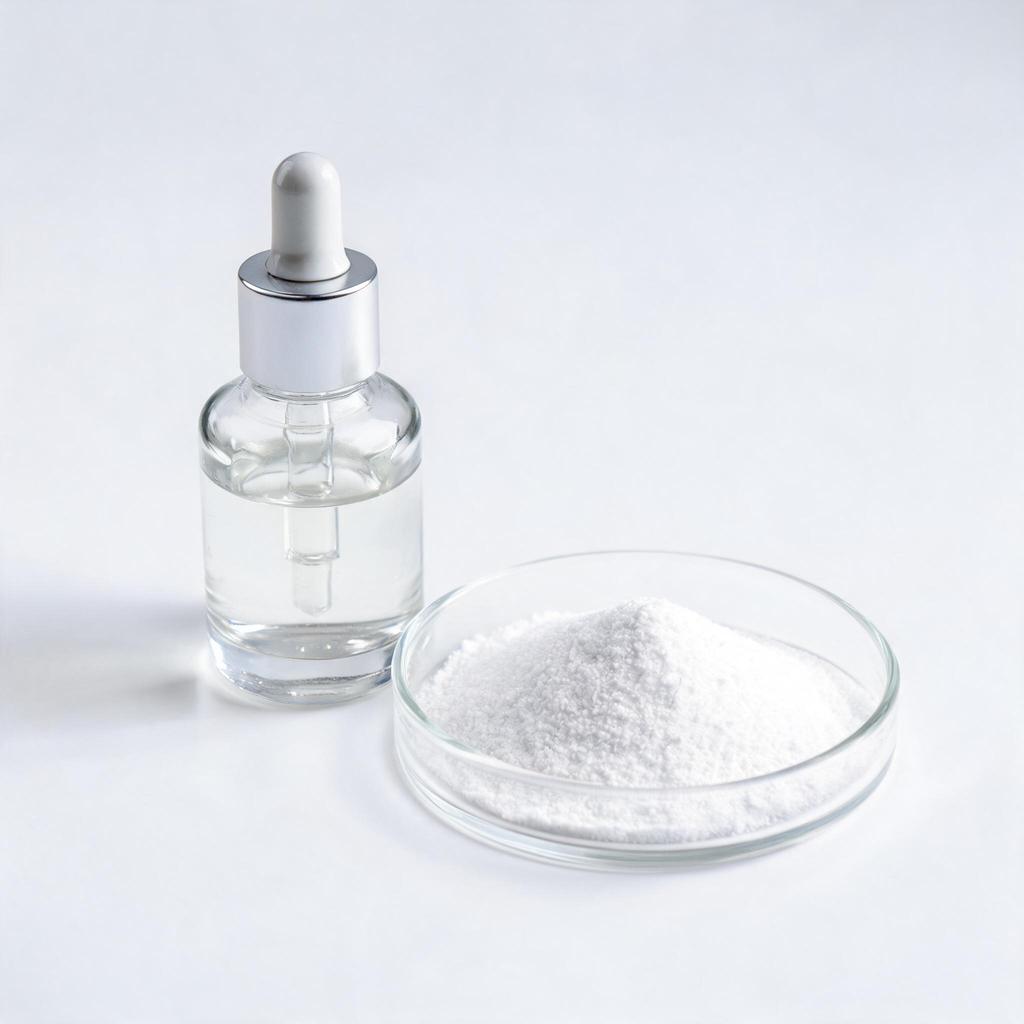
One of the greatest challenges in cold process emulsification is achieving stability without the aid of heat to reduce surface tension. This is where the LumenAxys™ 50% Liquid formulation becomes indispensable. Unlike the powder form, which requires a dissolution step that can introduce variability, the 50% liquid is pre-dissolved and ready for immediate integration into the aqueous phase.
When utilizing Cold-Process Cosmetic Formulations, the liquid form offers three critical industrial benefits:
- Instant Miscibility: The liquid concentrate blends seamlessly with water-soluble emulsifiers and rheology modifiers (such as RapidGel® EZ1 or sucrose esters) at room temperature.
- Viscosity Control: The liquid form contributes to the rheological profile, aiding in the creation of stable, non-dripping textures without requiring high-shear homogenization for extended periods.
- Dosage Precision: Liquid handling reduces the dust hazards associated with powder weighing and ensures a consistent active load in every batch, critical for scalable manufacturing.
Mastering Emulsification Mechanics Without Heat
The transition to Cold-Process Cosmetic Formulations requires a rethinking of emulsification mechanics. In the absence of heat to lower viscosity, the physical agitation becomes the primary driver of emulsification. Modern cold-process emulsifiers—such as plant-derived glycosides or instant cold emulsifiers (ICE)—allow for the creation of small particle size emulsions through high-speed homogenization at ambient temperatures.
By combining these advanced emulsifiers with LumenAxys™ Zinc PCA, formulators can create products that are not only environmentally sustainable but also biochemically potent. The cold environment ensures that the zinc complex remains stable, while the efficient mixing protocols guarantee a luxurious, stable texture. This synergy results in a final product that delivers precise oil control, enhanced hydration, and a "clean beauty" credential that resonates with the modern, eco-conscious consumer.
Sustainability and Energy Metrics in Cold Processing
The environmental argument for Cold-Process Cosmetic Formulations is compelling. By eliminating the heating and cooling cycles, manufacturers drastically reduce their carbon footprint. The energy savings are not just a marketing claim; they represent a tangible contribution to climate mitigation strategies within the personal care sector.
Furthermore, cold processing aligns perfectly with the philosophy of "Green Beauty." It allows for the use of raw, unrefined botanical oils and extracts that would otherwise be compromised by heat. When paired with LumenAxys™ Zinc PCA, the formulation achieves a holistic balance of high-performance active delivery and ecological responsibility.
Frequently Asked Questions (FAQ)
Q1: Can I use LumenAxys™ Zinc PCA powder in a cold process?
Absolutely. While the 50% liquid is easier to disperse, the high-purity powder can be successfully incorporated into Cold-Process Cosmetic Formulations. To ensure stability, the powder should be pre-dispersed in a small portion of the water phase with vigorous agitation before blending with the oil phase and emulsifier. This ensures complete solubilization without the need for heat.
Q2: Does the lack of heat affect the stability of the emulsion?
No, provided the correct cold-process emulsifiers are used. Ingredients like sucrose polyglycolic acid esters or specific instant cold emulsifiers are designed to stabilize oil and water phases at room temperature through electrostatic and steric stabilization mechanisms, ensuring the product remains homogenous throughout its shelf life.
Q3: Is cold process suitable for anti-acne serums?
Yes, and it is often superior. Since LumenAxys™ Zinc PCA targets 5α-reductase, keeping the active intact is crucial. Cold processing prevents any potential thermal degradation of the zinc complex, ensuring that the enzyme-inhibiting properties remain at peak potency for effective sebum regulation and acne management.
Q4: How does L-PCA contribute to the texture of a cold-process lotion?
L-PCA acts as a humectant, drawing moisture into the skin. In a cold-process lotion, it helps balance the potentially dry feel of oil-control agents, providing a silky, hydrating finish that complements the lightweight nature of cold-mixed emulsions.