
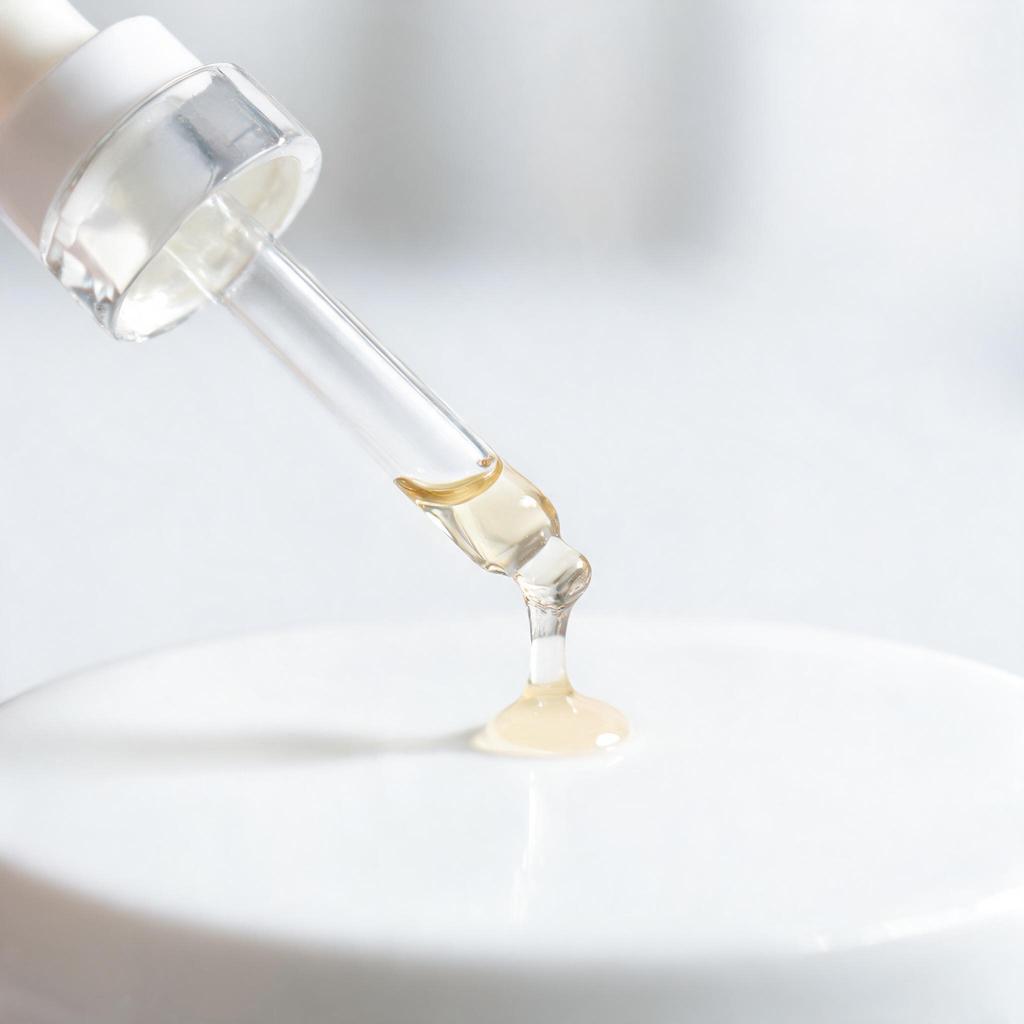
The Biochemical Blueprint of Zinc PCA Formulation
In the realm of advanced dermatological engineering, few ingredients bridge the gap between hydration and sebum regulation as elegantly as Zinc PCA. For formulators seeking to create high-performance products for oily, acne-prone, or sensitive skin, understanding the molecular architecture of Zinc Pyrrolidone Carboxylic Acid is paramount. At LumenAxys™, we leverage the dual-action nature of this compound to redefine skincare efficacy.
1. The Mechanism of Sebum Control: 5α-Reductase Inhibition
The cornerstone of effective acne treatment lies in addressing the root cause of excess oil production. In advanced Zinc PCA formulation, the primary mechanism involves the potent inhibition of 5α-reductase (also known as 5-alpha reductase).
- Enzymatic Modulation: Zinc PCA acts as a competitive inhibitor of 5α-reductase, the enzyme responsible for converting testosterone into dihydrotestosterone (DHT). Since DHT is the primary hormonal driver of sebaceous gland hyperactivity, blocking this pathway significantly reduces sebum output.
- Clinical Outcome: By downregulating this specific metabolic cascade, the skin experiences a measurable reduction in surface oil, leading to minimized pore appearance and a matte, balanced complexion without the harsh drying effects associated with traditional exfoliants.
2. L-PCA: The Natural Moisturizing Factor (NMF) Connection
While zinc provides the enzymatic control, the pyrrolidone carboxylic acid (PCA) moiety serves a critical structural function. PCA is a natural constituent of the skin's Natural Moisturizing Factor (NMF).
In a sophisticated formulation, L-PCA acts as a powerful humectant. It binds water molecules tightly, ensuring that while sebum is regulated, the stratum corneum remains hydrated. This prevents the compensatory oil production often triggered by dehydration, creating a homeostatic balance.
3. The Industrial Advantage of LumenAxys™ 50% Liquid Form
Traditionally, formulators struggled with the solubility of Zinc PCA powder, often requiring heat or complex chelation strategies. LumenAxys™ revolutionizes this process with our proprietary 50% Zinc PCA Liquid.
Cold-Process Efficiency
The liquid concentrate allows for true cold-process formulation. Because the active is pre-dissolved and stabilized, manufacturers can incorporate it into aqueous phases (toners, serums, light lotions) without thermal stress.
- Energy Conservation: Eliminating the heating phase reduces energy consumption in manufacturing.
- Potency Preservation: Heat-sensitive co-actives remain intact, as the Zinc PCA is introduced at ambient temperatures.
- Uniform Dispersion: The liquid form ensures precise dosing and eliminates the risk of undissolved particulates, resulting in crystal-clear final products.
4. Navigating Formulation Challenges
Formulating with zinc salts requires chemical precision. Zinc ions (Zn2+) are notorious for forming insoluble complexes with specific anions. To ensure stability and bioavailability in your Zinc PCA formulation, consider these constraints:
- pH Sensitivity: Optimal stability and efficacy are achieved within a pH range of 4.5–6.5. Deviating outside this window risks precipitation or reduced enzymatic activity.
- Anionic Interactions: Avoid combining Zinc PCA with high concentrations of phosphates, carbonates, or aggressive chelating agents, as these can cause cloudiness or precipitate the zinc out of solution.
- Electrolyte Balance: Monitor the total electrolyte load. Excessive salts can disrupt the solubility equilibrium of the PCA molecule.
5. Synergistic Combinations for Holistic Care
Modern dermatology favors multi-target approaches. LumenAxys™ Zinc PCA pairs exceptionally well with other metal-PCA complexes to reinforce the skin's physiological functions.
Combining Zinc PCA with Magnesium PCA and Manganese PCA creates a "bio-mimetic" blend that supports the cornified envelope while targeting sebum regulation. Furthermore, in hair care applications, the antimicrobial properties of Zinc PCA effectively target Malassezia globosa, addressing the root cause of seborrheic dermatitis and dandruff.
Frequently Asked Questions (FAQ)
What is the recommended dosage for Zinc PCA in skincare?
For most leave-on products like serums and toners, the optimal concentration of Zinc PCA ranges from 0.1% to 1.0%. Higher concentrations are rarely needed due to the potency of the 5α-reductase inhibition mechanism.
Can Zinc PCA be used in cold-process soap?
Yes. The LumenAxys™ 50% liquid is ideally suited for cold-process soaps and shampoos. It can be added directly to the lye water or the cooled batter, ensuring uniform distribution of the active ingredient without requiring high-heat melting.
Does Zinc PCA interact with other active ingredients?
Zinc PCA is generally compatible with most skincare actives. However, formulators should exercise caution when mixing it with strong acids (like high-concentration AHAs/BHAs) or heavy metal salts, as this may alter the chemical stability or cause precipitation. Always conduct a compatibility test during the development phase.
Is Zinc PCA suitable for sensitive skin?
Absolutely. Unlike harsh physical scrubs or high-dose chemical exfoliants, Zinc PCA offers a gentle, enzymatic approach to oil control. Its inclusion of the NMF (PCA) ensures that the skin barrier is supported rather than compromised, making it safe for sensitive, reactive skin types.