
The Biochemical Imperative: Why Simple "Oil Control" Is Obsolete
In the evolving landscape of dermatological science, the term "oil control" has become a misnomer. True efficacy lies not in suppressing the skin's natural defenses, but in sebum regulation. The sebaceous gland is not merely an oil factory; it is a dynamic endocrine organ deeply integrated into the skin's immune and barrier functions. Dysregulation of this system is the root cause of acne vulgaris, seborrheic dermatitis, and the compromised barrier function seen in sensitive skin phenotypes.
To engineer effective formulations, formulators must look past surface-level absorption and target the molecular machinery of the pilosebaceous unit. This requires a sophisticated understanding of how sebocytes differentiate, how they communicate via steroid hormones, and crucially, how active ingredients like Zinc PCA intervene in this pathway.
The Pathophysiology of the Pilosebaceous Unit
The pilosebaceous unit—comprising the hair follicle and its associated sebaceous gland—is the engine of cutaneous lipogenesis. Under normal physiological conditions, sebocytes (the specialized cells of the gland) undergo a process known as holocrine secretion. In this unique mode of secretion, the entire cell matures, fills with lipid droplets, and eventually disintegrates to release its contents into the follicular canal.
However, when this process goes awry, we see sebum overproduction. The primary driver of this dysregulation is the androgen receptor (AR) pathway. Circulating testosterone is converted locally within the sebocyte by the enzyme 5α-reductase into dihydrotestosterone (DHT).
- Step 1: Androgen Binding: Testosterone enters the sebocyte.
- Step 2: Enzymatic Conversion: The enzyme 5α-reductase converts Testosterone into the more potent androgen, Dihydrotestosterone (DHT).
- Step 3: Receptor Activation: DHT binds to Androgen Receptors (AR) in the cytoplasm.
- Step 4: Lipid Synthesis: The AR-DHT complex translocates to the nucleus, upregulating genes responsible for glyceride and wax ester synthesis, leading to massive lipid accumulation.
LumenAxys™ Zinc PCA: The Enzymatic Intervention
Conventional "oil control" agents often rely on desiccants that strip the stratum corneum, triggering a rebound effect where the skin produces even more sebum to compensate. LumenAxys™ Zinc PCA offers a paradigm shift: it treats the root cause—the enzymatic overdrive—while simultaneously repairing the barrier.
Mechanism of Action: Targeting 5α-Reductase
The zinc ion (Zn2+) within the LumenAxys™ complex acts as a competitive inhibitor of the 5α-reductase enzyme. By binding to the active site of the enzyme, Zinc blocks the conversion of testosterone to DHT.
Without the potent DHT signal, the androgen receptors remain largely unactivated. Consequently, the downstream signaling for lipid synthesis is downregulated. This results in a normalization of sebum regulation without the aggressive stripping associated with traditional acne treatments.
The Dual Synergy: Zinc + L-PCA
What distinguishes LumenAxys™ is the conjugation of Zinc with Pyrrolidone Carboxylic Acid (PCA). While Zinc handles the enzymatic inhibition, the L-PCA moiety serves two critical functions:
- Humectant Properties: PCA is a Natural Moisturizing Factor (NMF). It binds water molecules effectively, ensuring that while sebum production is normalized, the stratum corneum remains hydrated. This prevents the "tight" feeling common in oil-control products.
- Promoted Permeation: The hydrophilic nature of L-PCA facilitates the transport of the Zinc ion deeper into the follicular infundibulum, allowing the active ingredient to reach the sebaceous gland residing in the reticular dermis.
Industrial Formulation: The Advantage of the 50% Liquid
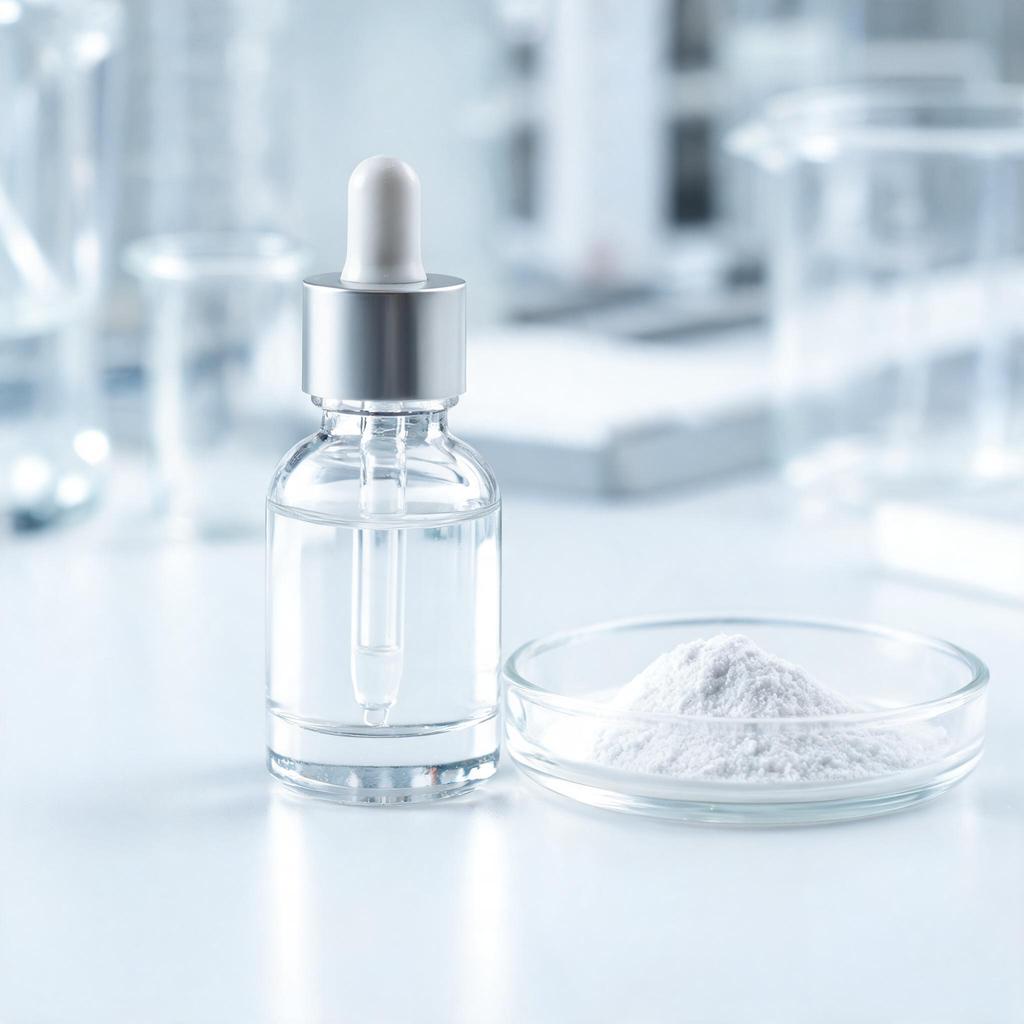
For cosmetic chemists, the availability of LumenAxys™ Zinc PCA in two formats—high-purity powder and a stable 50% aqueous liquid—offers distinct strategic advantages in product development.
Cold-Process Compatibility
The 50% liquid formulation is engineered for immediate integration into water-based systems. Traditional anhydrous zinc salts often require heat or prolonged agitation to dissolve, which can degrade heat-sensitive actives (like Vitamin C or peptides) often paired in serums. The liquid concentrate dissolves instantly in aqueous phases, facilitating cold-process manufacturing.
This efficiency reduces energy costs and preserves the structural integrity of delicate bioactives within the final serum or toner. The powder format, conversely, allows for custom concentration adjustments in anhydrous systems or powders.
Stability and Solubility Profile
One of the historic challenges in formulating with Zinc PCA has been precipitation in high-ionic-strength solutions. LumenAxys™ utilizes advanced chelation technology to maintain the stability of the Zinc-PCA bond. This ensures that the Zn2+ remains bioavailable upon application, rather than precipitating out of the serum bottle over time.
Clinical Applications: From Face to Scalp
The versatility of sebum regulation extends across multiple categories within the personal care spectrum:
- Facial Serums: A matte-finish serum utilizing the 50% liquid targets the T-zone, reducing the glossy appearance of oily skin while providing hydration.
- Scalp Care: For seborrheic dermatitis and oily scalp conditions, Zinc PCA helps control the lipid substrate that feeds the Malassezia yeast, offering a dual approach to dandruff and flaking.
- Body Care: In anti-acne body washes, the powder form allows for higher dosing to tackle truncal acne on the chest and back.
Frequently Asked Questions (FAQ)
Is LumenAxys™ Zinc PCA safe for long-term use?
Yes. Unlike salicylic acid or retinoids, which can cause cumulative irritation, Zinc PCA works by normalizing glandular function. It is non-abrasive and suitable for daily, long-term maintenance of sebum homeostasis.
Can it be used in combination with Niacinamide?
Absolutely. In fact, the combination is synergistic. While Niacinamide limits sebum excretion and improves barrier lipids, Zinc PCA inhibits the enzymatic drive (5α-reductase) that creates the sebum. Together, they offer a comprehensive approach to oil control.
How does the 50% liquid compare to the powder?
The 50% liquid is ideal for water-based serums, toners, and sprays due to its instant solubility and cold-process compatibility. The high-purity powder is best suited for anhydrous formulations, solid powders, or when a formulator needs to customize the exact percentage of Zinc PCA in the final product.
Does it dry out the skin?
No. This is the key differentiator. Because the L-PCA component is a powerful humectant, LumenAxys™ ensures that as sebum production drops, the skin's water content remains high. This prevents the "rebound oiliness" caused by barrier damage.